
Personality Changes That Can Impact Seniors Who Have Dementia
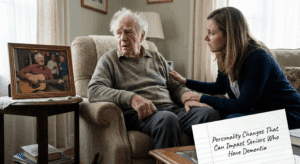 Taking care of a senior parent who has dementia is one of the hardest things to do. Part of the reason it’s so difficult is that sometimes your parent may start to act like someone you don’t know.
Personality changes caused by dementia can be very tough for family members to deal with. But getting the right support and understanding how dementia can cause these changes can make it easier for family members to cope.
Dementia Home Care For Seniors Living Alone
If your senior parent is living independently and has been diagnosed with dementia, they need dementia care. Dementia home care is specialized care that can help seniors with dementia stay in their homes longer.
The caregivers who work in dementia home care have extra training that helps them understand the way that dementia affects seniors. And they also are trained to understand the extra support that seniors with dementia need.
For example, they are trained to look for visual cues that seniors are hungry or thirsty because seniors with dementia may not always be able to express their need to eat or drink something.
Caregivers trained to understand seniors who have dementia can also help you and your senior parent cope when dementia causes personality changes, like:
Increased Confusion and Forgetfulness
One of the first and most noticeable changes in someone with dementia is confusion. A senior who once managed their daily life easily might start forgetting names, dates, or familiar places. They might misplace objects, like putting the TV remote in the refrigerator, or struggle to remember what they were doing just minutes ago. As confusion increases, they may also become more frustrated or defensive when corrected.
Mood Swings and Irritability
Dementia can cause major changes in mood. A senior who used to be calm and patient might now get angry, anxious, or irritated more easily. These mood swings can happen suddenly and without a clear reason.
For example, a parent who was once cheerful might now snap at loved ones or get upset over small things like noise or a change in routine. This happens because dementia affects parts of the brain that control emotions and reasoning.
When someone feels confused or scared by what’s happening around them, irritability is often their way of expressing that fear or frustration.
Withdrawal from Family and Friends
As dementia progresses, many seniors begin to pull away from social activities. This isn’t because they don’t care. It’s often because they feel embarrassed, tired, or overwhelmed trying to keep up with conversations or remember names.
They may also lose interest in hobbies or stop answering the phone. This withdrawal can make them seem cold or distant, but it usually comes from confusion, fear, or low self-confidence. Having gentle encouragement and regular companionship from a caregiver skilled in dementia care can help keep them engaged and emotionally connected.
Suspicion or Paranoia
Some people with dementia start showing suspicious or paranoid behavior. They might accuse loved ones of stealing things that they’ve misplaced or believe strangers are watching them.
These thoughts can be confusing and painful for family members, but they are common symptoms. Dementia changes how the brain processes information, making it harder to tell what’s real and what’s not.
For example, if your parent forgets they moved their wallet, they may truly believe someone took it. Understanding that this suspicion comes from the illness, not from distrust, helps families respond with patience instead of anger.
Personality Reversal
Sometimes dementia can cause a complete change in personality. A quiet and gentle person might become loud or demanding. Someone who used to be outgoing may become shy or withdrawn. These changes happen because dementia affects the brain areas that control behavior, judgment, and self-awareness.
You might also notice changes in impulse control, like saying inappropriate things, acting without thinking, or showing less concern for others’ feelings. It can be shocking to see, but these behaviors are not intentional. They are signs that the disease is progressing and the brain is struggling to manage emotions and social responses.
If you or an aging loved one is considering Dementia Home Care in Galt, CA, please contact the caring staff at Aging Assistant today at (916) 897-4752

